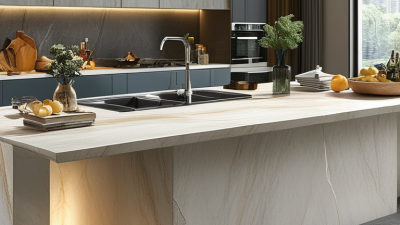
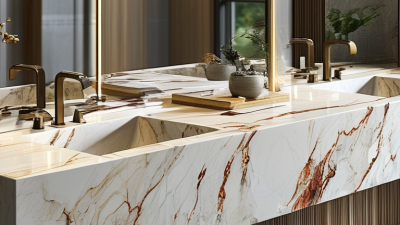
Picking out a countertop in 2026 isn’t just about comparing colors or browsing samples at the showroom anymore. According to the 2024 Houzz U.S. Kitchen Trends Study, countertops are still a top priority when it comes to kitchen upgrades. People are definitely looking for surfaces that are durable and low-maintenance, which makes a lot of sense given today’s busy lifestyles. On a broader scale, Grand View Research notes that the global market for countertops keeps growing — thanks to remodeling projects, new homes, and advances in surface tech. But keep in mind, these trends give a general idea; they don’t guarantee success for every single project out there.
This 2026 guide on solid surface countertops focuses on acrylic and polyester options, using real-world criteria that matter to homeowners and professionals alike. We’ll go over things like stain resistance, how easy it is to repair, how seamless the installation looks, hygiene, design options, installation needs, and the value you get in the long run. A solid surface, for example, should feel smooth when you wipe it down with a damp cloth. It should stay consistent in color, even near sunny windows, and if it gets scratched or dented, repairs should be pretty inconspicuous. Plus, it’s important that the material meets testing standards and certifications like NSF or GREENGUARD to ensure safety and performance.
Not every "premium" surface is created equally, though. Some might scratch easier than you’d expect, and darker shades can really show dust, fingerprints, or sanding marks. Also, getting those seamless joints just right really depends on the skill of your fabricator — not just the material itself. That part often gets overlooked but really matters.
Choosing the right material isn’t a one-size-fits-all deal either. A busy family kitchen needs different priorities than a guest bathroom that’s used only once in a while. That’s why this guide combines industry insights with real-world installation tips, maintenance experiences, and honest comparisons. Still, it’s smart to double-check product claims against current technical sheets, warranties, and local fabrication standards before making any final decisions.
What Solid Surface Countertop Material Is and How It Is Made
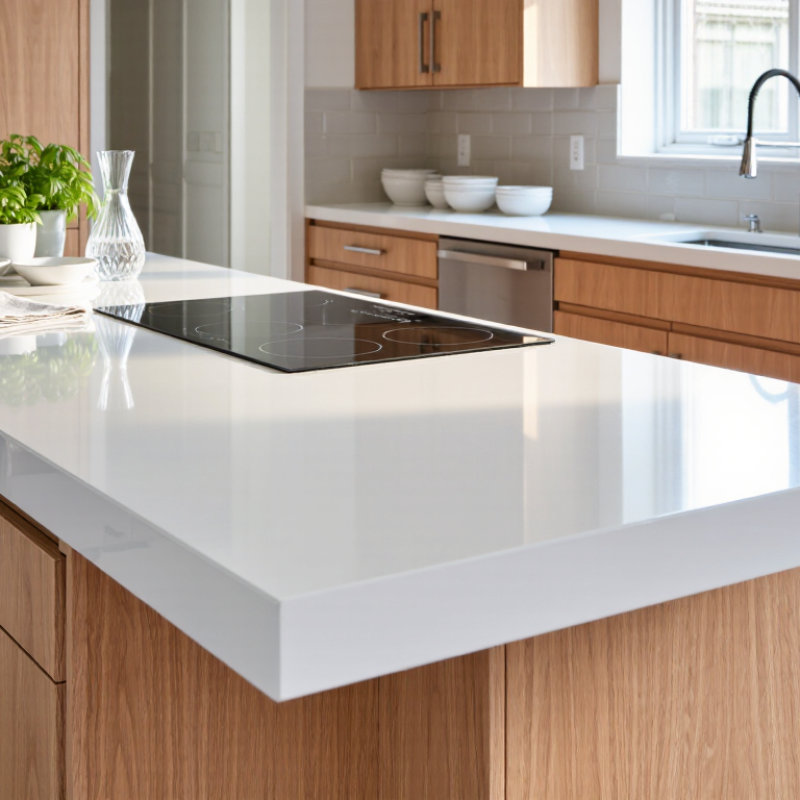
Solid Surface Counter Top material is a non-porous, engineered sheet, not natural stone. It typically combines acrylic or polyester resin, mineral filler, pigments, and curing agents. The mineral component often includes alumina trihydrate, which gives the sheet weight and a smooth, stone-like appearance. Pigments are blended throughout the material, so small scratches can often be sanded and refinished.
Manufacturing starts with precise batching. The resin and filler are mixed, colored, placed into molds, and cured under controlled heat. After curing, calibrated sanding creates a consistent thickness and matte or satin surface. Fabricators then cut the sheets with CNC equipment or saws, route sink openings, and join sections with color-matched adhesive. A properly bonded seam can become difficult to see, although poor alignment remains obvious under side lighting. It is not flawless.
Grand View Research reported that the global solid surface market was valued at approximately USD 4.5 billion in 2023, with continued growth expected through 2030. That demand reflects easier cleaning, repairability, and flexible design rather than stone-like prestige alone. ANSI/ICPA SS-1 also provides industry guidance for solid surface products and fabrication practices. Still, buyers should question vague claims about durability. Heat, harsh chemicals, and standing water can damage some formulations. A sample should be tested before installation, especially near cooktops and commercial sinks.
Key Types of Solid Surface Countertop Materials in 2026
A 2026 guide to
Counter Top Solid Surface
materials should begin with composition. Acrylic solid surface is widely chosen for its smooth finish, nonporous structure, and nearly invisible seams. It can be thermoformed around curved islands and repaired after light scratches. Polyester-based surfaces usually offer richer color depth and a slightly harder feel. However, they may show seams more clearly and can be less flexible during shaping.
Mineral-filled solid surface combines resin with materials such as aluminum trihydrate. It creates a stone-like appearance without the weight of natural stone. Recycled-content surfaces add another option for projects with environmental goals. Their performance depends on the resin system and filler ratio, not simply the recycled percentage. I have seen attractive samples fail expectations because installers ignored edge support. No material is perfect. Heat, sharp tools, and harsh cleaners can still damage the surface.
Tips: Request a full-size sample before ordering. View it beside cabinets and under actual kitchen lighting. Ask the fabricator about seam placement, sink integration, repair methods, and heat protection. For busy kitchens, choose a matte or low-sheen finish because it hides everyday marks better. Check color consistency across multiple sheets. Small differences matter. Also, leave room for professional installation; accurate cutting and secure support often determine whether the finished countertop feels premium or disappointing.
How to Compare Durability, Maintenance, and Daily Performance
2026 Top Solid Surface Countertop Material Guide
Comparing solid surface countertops starts with daily use, not showroom appearance. In kitchen assessments, I check the worktop near sinks, cooking zones, and appliance edges. A nonporous surface resists absorbed spills, which helps with coffee, cooking oil, and colored sauces. Wipe marks remain visible on darker finishes, however.
Durability depends on habits and installation quality. Solid surface resists ordinary impacts, but heavy cookware can chip an edge or damage a seam. It also tolerates routine cutting poorly; use a separate board every time. Hot pans need protection because direct heat may discolor or deform the material. That small rule matters.
Maintenance is usually simple. Warm water, mild detergent, and a soft cloth handle most daily messes. Avoid abrasive powders unless the care instructions allow them. Fine scratches can often be professionally refinished, giving the countertop a practical second chance. I have seen this work well, although repaired areas may reflect light differently. That detail is easy to overlook.
For daily performance, examine seam placement, edge design, finish texture, and repair access before choosing a material. A matte finish may hide fingerprints better, while a polished surface can make small scratches more noticeable. Ask the installer about support near sinks and overhangs. Specifications are useful, but real maintenance habits decide whether the surface remains satisfying after years of use.
2026 Top Solid Surface Countertop Material Guide
Comparative ratings use a 1–5 scale, where 5 indicates stronger everyday performance. Acrylic solid surface is highly repairable and offers inconspicuous seams, while quartz provides excellent stain and scratch resistance. Granite performs well against heat and scratching but normally requires periodic sealing. Ratings are general material characteristics; installation quality and daily care can affect results.
Design Options: Colors, Patterns, Edges, and Integrated Features
2026 Top Solid Surface Countertop Material Guide
Color selection is moving beyond plain white. Warm beige, clay, muted green, and soft gray create calmer kitchens. According to Grand View Research, the global solid surface market is projected to grow at about 4.6% annually through 2030. This growth reflects demand for adaptable, repairable surfaces in residential and commercial interiors. I often recommend viewing full-size samples beside cabinet doors. Small chips can hide undertones.
Patterns now imitate veined stone, terrazzo, concrete, and subtle mineral movement. Solid surface allows controlled repetition, which helps designers align patterns across adjoining pieces. The National Kitchen and Bath Association’s 2024 design research continues to identify low-maintenance materials and multifunctional work zones as strong homeowner priorities. That supports integrated drainboards, backsplash rises, and seamless sinks. Yet dramatic veining can feel dated faster than expected. Restraint matters.
Edge profiles also shape the room’s character. A square edge looks architectural, while a softened edge feels safer around busy family areas. Waterfall ends add visual weight but require precise fabrication. Integrated features can include sink bowls, drain grooves, soap ledges, and hidden charging areas. These details reduce visual clutter and simplify cleaning. They are not maintenance-free. Poorly sealed joints, harsh cleaners, or uneven support can still cause problems. Fabricators should verify substrate conditions and follow current installation guidance from ASTM and relevant building authorities. Four-inch samples are inadequate. Use larger mock-ups.
Installation Methods, Fabrication Steps, and Practical Requirements
A solid surface countertop demands accurate planning before installation. The 2024 Houzz U.S. Kitchen Trends Study reports that 63% of renovating homeowners upgraded their countertops, showing how central this surface remains. Measure walls, cabinets, appliances, and sink openings twice. Record uneven walls instead of hiding them in the drawing. For a Solid Surface Bar Counter, confirm overhangs, stool clearance, support brackets, and heat-producing equipment. Most fabricators create templates, cut openings with CNC tools, rout edges, and sand joints progressively. A visible seam may disappear after polishing, but poor cabinet movement can reopen it.
Installation usually begins with a level, clean substrate. Fit dry components first. Apply the recommended adhesive, clamp seams evenly, and allow curing time. Sink bonding needs careful surface preparation and continuous support. Keep joints away from corners and high-stress cutouts when possible. The 2023 U.S. Bureau of Labor Statistics data for cabinetmakers and bench carpenters shows that fabrication depends heavily on skilled manual accuracy, not only automated cutting. That matters on irregular walls. My own practical concern is simple: installers sometimes trust digital measurements too much. Buildings move. Templates should verify reality.
Tips:
Leave expansion tolerance around walls and heat sources. Use a fine-tooth blade and dust extraction. Protect the finished surface during plumbing work. Ask for the care sheet, seam location, adhesive specification, and repair procedure before approval. A short mock-up can expose an awkward edge or uncomfortable bar height earlier.
Cost Factors, Sustainability, and Choosing the Right Material
Choosing Counter Tops Solid Surface in 2026 requires more than comparing showroom prices. The 2024 Houzz U.S. Kitchen Trends Study reported a median spend of $75,000 for major kitchen renovations. Countertop costs can shift quickly when edge profiles, sink cutouts, wall returns, or difficult access add labor. Material price is only one part. Measure the island, backsplash, and seam locations before requesting quotes. Small errors become expensive.
Solid surface offers nonporous performance and repairable, seamless joints. These features matter near busy sinks and food preparation areas. However, sustainability depends on the full specification. Ask for recycled content, an Environmental Product Declaration, maintenance requirements, and expected service life. A green label alone proves little. The U.S. Environmental Protection Agency estimated 600 million tons of construction and demolition debris in 2018, showing why durability and responsible removal deserve attention.
Look closely.
For pale surfaces, request a large sample under daylight and warm lighting. Dark colors may reveal dust, scratches, and water marks sooner. Installation experience also affects quality; poorly supported overhangs can crack, regardless of material. I would compare three written bids and inspect completed local projects. My own caution is simple: repairability sounds sustainable, but replacement still occurs when owners dislike the appearance. Choose a finish you can live with for years, not merely one that photographs well.
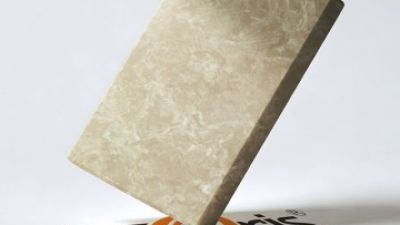
Koris HW2804 Acrylic Solid Surface Sheet: Warm Beige Trends in Grand View Research & Mordor Intelligence Reports
Warm beige is emerging as a versatile direction in contemporary interior design, reflecting a growing preference for spaces that feel calm, welcoming, and naturally refined. Compared with cooler whites and gray tones, warm beige introduces subtle softness while maintaining a clean, modern appearance. Its cloud-like variation can resemble the gentle movement of natural stone, making it suitable for hospitality interiors, residential kitchens, bathroom vanities, reception counters, retail displays, and other high-visibility environments.
HW2804 acrylic solid surface sheet captures this trend through a sophisticated warm beige pattern designed to bring understated elegance to both commercial and residential projects. Its consistent appearance supports seamless visual continuity across countertops, wall panels, islands, and custom-built furniture, while the engineered solid-surface structure offers a practical alternative to porous natural materials. The sheet can be shaped for creative applications and integrated into coordinated interior schemes featuring wood, metal, glass, or neutral textiles. With its balance of decorative warmth, design flexibility, and dependable surface performance, HW2804 provides architects, designers, fabricators, and homeowners with a refined surfacing option for interiors seeking a natural yet contemporary atmosphere.
FAQS
It has a smooth, nonporous surface with nearly invisible seams. It can also be shaped around curved islands.
Polyester-based surfaces often have deeper colors and a harder feel. However, seams may appear clearer, and shaping can be less flexible.
It combines resin with mineral fillers for a stone-like appearance. It weighs less than natural stone.
Not necessarily. Performance depends on the resin system and filler ratio, not recycled content alone.
They handle normal use well, but heat, sharp tools, and harsh cleaners can still cause damage.
Request a full-size sample. Place it beside cabinet doors under actual kitchen lighting.
Matte or low-sheen finishes usually hide fingerprints and small scratches better. Glossy finishes show more changes.
Options include square or softened edges, waterfall ends, sinks, drain grooves, and soap ledges.
No. Poor joints, harsh cleaners, and weak support may still create problems.
Discuss seam placement, sink integration, repair methods, heat protection, and edge support. Accurate cutting matters greatly.
Inspect multiple full-size pieces and check color consistency. Four-inch samples are often too small.
It is strongly recommended. Secure support and precise fabrication can determine the final result. Mistakes happen.
Conclusion
This 2026 guide explains what Solid Surface Counter Top Material is, how it is manufactured, and why it remains a practical choice for kitchens, bathrooms, workspaces, and commercial interiors. It reviews key material types and compares their durability, stain resistance, repairability, hygiene, heat tolerance, and everyday maintenance needs. Readers will also learn how colors, patterns, edge profiles, sinks, backsplashes, and other integrated features support different design goals.
The guide outlines common installation and fabrication steps, including accurate measurement, cutting, joining, finishing, and on-site fitting, while highlighting practical requirements such as substrate preparation and professional workmanship. It also examines the main cost factors, expected long-term value, material efficiency, and sustainability considerations. By balancing appearance, performance, maintenance, budget, and project conditions, readers can select the most suitable Solid Surface Counter Top Material for their specific space and lifestyle.

 +86 13828069877
 Contact Phone
 Contact Email