Choosing a solid surface table top material isn’t just about picking pretty colors, comparing prices, or peeking at showroom samples. There’s a lot more to consider. For instance, how durable is it really? Is it easy to keep hygienic? Can it be repaired if something goes wrong? What about fabrication limits and how it holds up environmentally over the long run? Think about it—your tabletop takes a beating every day; it’s exposed to coffee stains at breakfast, hot dishes at lunch, and constant cleaning by evening. Even tiny differences in quality or material matter more than you might think.
According to Grand View Research, the global market for solid surface materials is growing steadily, thanks to demand from homes, hotels, hospitals, and office spaces. Fortune Business Insights points out that renovations and the need for nonporous surfaces play a big role in this growth. But here’s the thing: those reports are talking about the whole broad market, not just tabletops. That’s an important detail to keep in mind.
When it all comes down to it, how a material performs should be your top priority. Michael Braungart, a well-known materials scientist and co-founder of McDonough Braungart Design Chemistry, often says, “Waste equals food.” Basically, he’s encouraging people to think about repair options, recycled content, and what happens to the material at the end of its life. Even a surface that’s low maintenance can have environmental costs if it can’t be reused or recycled later.
Manufacturers like Corian, Wilsonart, and others provide technical data on stain resistance, heat tolerance, and how easy it is to work with their products. While these specs are helpful, you’ve got to be careful with marketing claims. Just because something is labeled “scratch-resistant” doesn’t mean it’s scratch-proof. And “easy to clean” doesn’t automatically mean it will withstand harsh chemicals without issues.
This guide looks at seven practical material categories, considering factors like how they look, how much effort they need to stay in good shape, weight, cost, how easy they are to fabricate, and how they’ll perform in real life. Keep in mind, some observations might differ depending on your region or supplier, which is totally normal. A gorgeous sample might look perfect in the showroom but could be a letdown once it’s installed alongside a busy sink or exposed to daily sunlight.
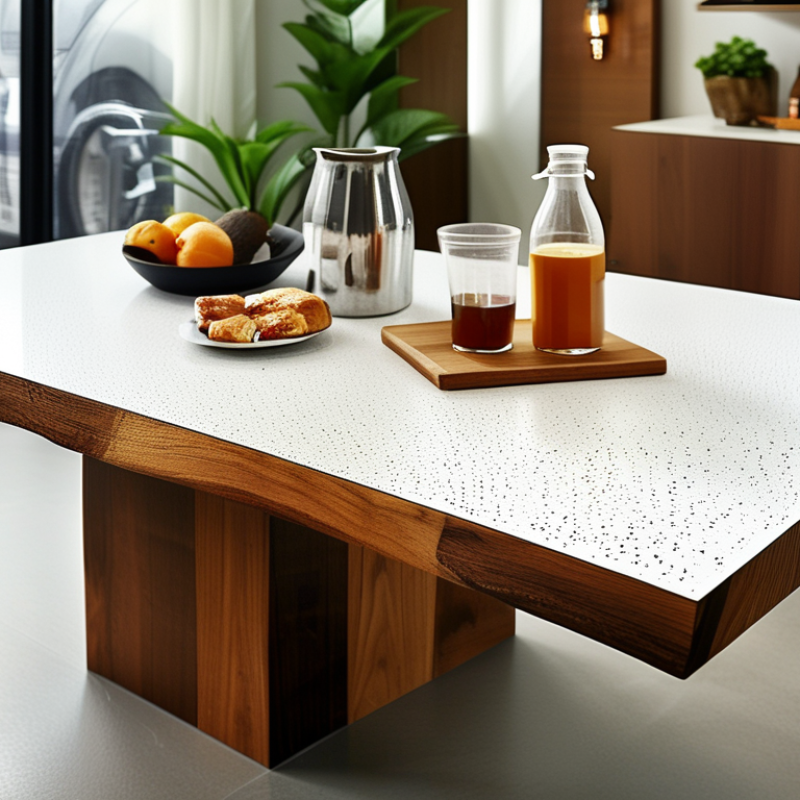
What Makes a Solid Surface Tabletop Material a Good Choice?
7 Best Solid Surface Table Top Materials for Buyers
A good solid surface tabletop should balance durability, hygiene, appearance, and daily comfort. In my experience, nonporous materials are easier to clean because spills cannot quickly enter the surface. This matters in kitchens, dining areas, and busy workspaces. Look for a dense, consistent structure without visible voids or weak layers. A smooth edge also reduces places where crumbs and moisture can collect. However, no surface is truly carefree.
Heat resistance deserves careful attention. Hot cookware can still mark some materials, even when the tabletop feels strong. Ask about safe temperature limits and recommended protective pads. Scratch resistance is useful, but repairability may matter more over many years. Light scratches can sometimes be sanded or refinished. Deep damage may require professional work. That distinction is easy to overlook.
Tips: Check the full sample, including its edge. Place a cold glass and a warm plate on it during testing. Review cleaning instructions before buying. Choose a finish that hides fingerprints if the table receives heavy use. Also inspect the supporting frame, since a strong top can still flex on weak legs.
Color stability is another practical concern, especially near windows or outdoor openings. Some finishes show dust quickly, while textured surfaces may demand more cleaning. I prefer materials with clear care guidance and accessible repair options. Still, appearance can influence judgment too much. A beautiful sample may not suit your real routine, so imagine crumbs, water rings, and daily contact before deciding.
Acrylic Solid Surface: Seamless Design and Easy Maintenance
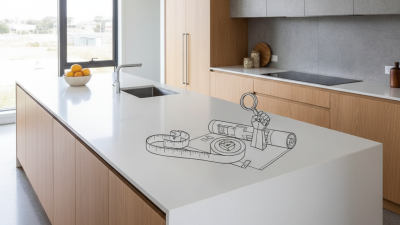
Acrylic solid surface offers a clean, continuous look for kitchens, bathrooms, reception desks, and workspaces. As a Solid Surface Counter Top Material, it can be joined with nearly invisible seams. This creates a smooth surface without deep gaps where crumbs or moisture collect. Its nonporous structure also supports everyday hygiene when cleaned correctly. A damp microfiber cloth and mild soap usually remove coffee rings, food residue, and fingerprints. The finish feels warm and refined, rather than cold like stone.
Tips: Use a cutting board. Avoid placing hot pans directly on the surface. Wipe spills promptly, especially strong dyes and harsh chemicals. Fine scratches can often be sanded and blended by a trained professional. However, repairs may leave a slight texture difference under bright lighting. That detail is easy to overlook.
From practical installation experience, accurate cabinet support matters as much as the sheet itself. Uneven bases can stress joints and create visible movement over time. Acrylic is workable, but it is not flawless. Continuous sunlight may affect some colors, and careless polishing can produce dull patches. Buyers should request a sample, inspect the seam technique, and confirm the recommended care method before ordering. A thoughtful installer will also explain heat limits, edge profiles, and future repair options instead of promising an indestructible countertop.
Quartz Composite: Durable Beauty for Everyday Use
Quartz composite offers a practical balance of durability and visual appeal for a Solid Surface Table Top. It combines natural quartz particles with a resin binder, creating a dense, nonporous surface. In daily use, this structure helps resist coffee stains, cooking oils, and water marks. A damp cloth and mild soap usually handle routine cleaning.
The surface feels smooth under your hand. It also provides consistent color and pattern, unlike natural stone with unpredictable variation. From my experience, accurate cabinet measurements matter greatly because large slabs need careful support and professional handling. Seams can remain slightly visible, especially beside strong patterns. That detail is easy to overlook.
Quartz composite is not indestructible. Hot pans should sit on trivets, since sudden heat may damage the resin or cause discoloration. Direct sunlight can also affect some lighter finishes over time. Scrubbing with harsh powders may dull the surface. Small habits matter.
For buyers, edge design, slab thickness, warranty terms, and installation quality deserve close attention. A beautiful sample cannot reveal every weakness. Ask how the material performs near windows, sinks, and busy work areas. Think beyond appearance.
Porcelain and Sintered Stone: Heat and Scratch Resistance
When buyers compare solid surface table tops, porcelain and sintered stone deserve close attention. Both use mineral-rich materials processed under intense heat and pressure. In daily use, a hot baking tray usually causes fewer concerns than it would on many plastic-based surfaces. Sintered stone often feels denser and more substantial. Porcelain can provide a slimmer profile and crisp edges. However, performance depends on thickness, support, fabrication, and installation. A poorly supported top may crack despite an impressive product rating. That detail is easy to miss.
Tips: Ask for tested heat and scratch data, not broad sales language. Use a trivet for hot pans when practical. It protects the surface and your fingers. Always cut on a board, even with scratch-resistant finishes. Fine grit, sand, or unglazed pottery can leave marks during sliding. I have seen samples survive a heated pan but develop dull lines after careless cleaning. That experience changed my buying checklist. Inspect the edge treatment, corner radius, and underside support before ordering. Small flaws become expensive after delivery.
For a dining table, choose according to use rather than showroom drama. Porcelain suits buyers wanting light visual weight and simple cleaning. Sintered stone may suit heavier furniture and a more substantial appearance. Neither material is indestructible. Impact at an exposed corner can cause chips. Ask how repairs are handled locally and whether replacement panels remain available. A reliable supplier should explain test conditions, care limits, and installation tolerances clearly. If they cannot, pause before paying.
Natural Stone: Distinctive Patterns and Long-Term Strength
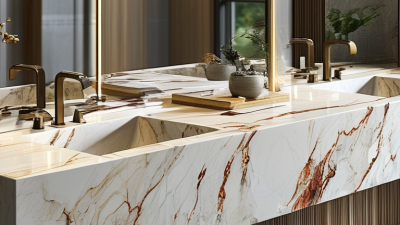
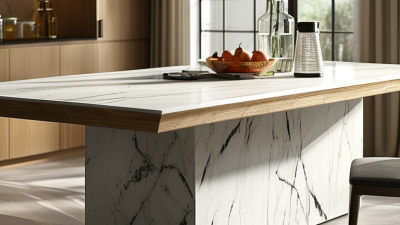
Natural stone gives a table top a character that manufactured surfaces rarely reproduce. Each slab carries different veins, mineral flecks, and color shifts. No two pieces look exactly alike. Marble can show soft, flowing movement, while granite often presents denser patterns and stronger visual contrast. Quartzite may offer bright surfaces with impressive hardness. These differences make every dining table feel more personal.
In practical use, natural stone can handle daily meals, warm serving dishes, and years of regular contact when selected and installed correctly. Its weight also reduces movement, which helps a large table feel stable. However, strength does not mean complete resistance. A sharp impact near an unsupported corner can cause chipping. I once underestimated the importance of edge design. A slightly rounded edge would have reduced that risk.
A buyer should inspect the actual slab before fabrication, not rely only on a small sample. Look closely for open fissures, uneven coloring, and areas that may need reinforcement. Ask how often the surface requires sealing and which cleaners are suitable. Acidic spills, such as lemon juice or vinegar, can dull some stones if left unattended. Protective pads under hot cookware remain sensible, even with durable materials. Natural variation is part of the appeal, but it can also make matching replacement pieces difficult. Pay attention to the pattern direction, especially when the top includes several joined sections.
Compact Laminate: Affordable Style for Practical Spaces
Compact laminate offers affordable style for practical spaces where durability matters more than luxury finishes. It uses compressed paper layers and resin to create a dense, stable panel. Compared with many Table Top Solid Surface options, it usually costs less and needs fewer decorative treatments. Its slim profile suits breakfast counters, study desks, café tables, and compact apartments.
In daily use, the surface handles coffee spills, writing, and frequent wiping well. The finish can resemble stone, timber, or a plain architectural color. However, it is not indestructible. Hot cookware may damage the surface, while poorly sealed edges can allow moisture to reach the substrate. Experienced installers should check the support frame, cutout details, and ventilation before fitting the top. Small mistakes show.
Tips: Choose a thickness that matches the table span. Use heat-resistant pads under hot pans. Wipe spills quickly, especially near joints and sink areas. Ask for tested data on stain resistance, impact performance, and formaldehyde emissions. A textured finish can hide fingerprints, but it may need more careful cleaning. Measure twice. Compact laminate remains practical, though its affordable price can encourage compromises in edge detailing, which often deserves more attention than buyers expect.
Comparing Materials by Cost, Care, Durability, and Design Needs
Choosing among seven tabletop materials depends on cost, care, durability, and the room’s design demands. Acrylic solid surface usually offers mid-range pricing, seamless edges, and many colors. Minor scratches can often be sanded, but hot cookware may leave marks. Engineered quartz resists stains and needs little care, although it can chip at exposed corners. Granite handles heat well and brings natural variation, while marble looks refined but absorbs acids and requires more attention.
Porcelain and sintered stone provide strong scratch and heat resistance, making them useful for busy kitchens or commercial areas. However, their edges can crack during careless installation. Compact laminate keeps costs lower and comes in realistic wood or stone patterns, but deep cuts are difficult to repair. Stainless steel is highly hygienic and durable, yet fingerprints and a colder visual feel may disappoint some homes. A Solid Surface Top Table works best when a smooth, repairable finish matters more than maximum heat resistance.
Tips: Place a heat pad under hot pans. Check edge construction before ordering. Request a physical sample under your room’s lighting. Maintenance claims can sound impressive, but real performance depends on thickness, support, and installation quality. I once favored dramatic marble for appearance, then reconsidered after seeing a small lemon stain become a permanent reminder. A beautiful surface is not always an easy one.
Customized 700×700mm Acrylic Solid Surface Dining Table Tops for Restaurants and Coffee Shops
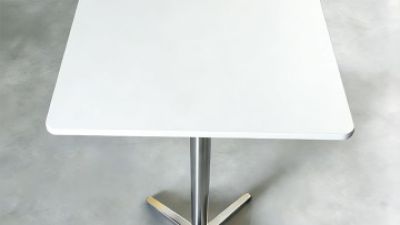
Customized 700×700mm acrylic solid surface dining table tops are designed for restaurants and coffee shops that need reliable performance without sacrificing visual appeal. The National Restaurant Association’s *2024 State of the Restaurant Industry Report* projected U.S. restaurant and foodservice sales at more than $1 trillion, highlighting the importance of durable, easy-care furnishings in high-traffic dining environments. Made from modified solid surface material, Model KA1101 offers a non-porous, stain-resistant surface that helps resist spills, odors, and everyday wear.
Seamless joints create a clean contemporary appearance, while the smooth, renewable finish allows the tabletop to be refreshed over time. Available in minimalist pure white and sophisticated marble patterns, each 700×700mm top can be customized to complement modern cafés, restaurants, and hospitality interiors. The material also supports efficient routine cleaning, helping operators maintain an attractive dining space with less maintenance effort. According to the U.S. Environmental Protection Agency’s *Environmentally Preferable Purchasing* guidance, durable products with extended service lives can help reduce replacement-related resource consumption, making long-lasting furniture a practical sustainability choice.
Certified to CE and NSF requirements, these dining table tops are suitable for demanding commercial applications and are backed by a 10-year warranty. The minimum order quantity is 50 pieces per model, offering a flexible solution for new projects, renovations, and coordinated multi-location interiors.
FAQS
Both handle hot serving dishes better than many plastic-based surfaces. Use a trivet for baking trays. It protects fingers too.
No surface is fully scratch-proof. Sand, grit, and unglazed pottery may leave dull sliding marks. Always cut on a board.
Thickness, underside support, corner design, and fabrication quality matter greatly. A poorly supported top can crack despite strong test results. Easy to miss.
Check the edge treatment, corner radius, underside support, and test conditions. Ask about local repairs and replacement panels. Small flaws matter.
Natural stone offers individual veins, mineral flecks, and changing colors. Its weight can reduce table movement. Every slab looks different.
It can handle warm dishes and regular meals when properly selected and installed. Sharp impacts near unsupported corners may cause chips. Rounded edges help.
Inspect the actual slab before fabrication. Look for open fissures, uneven coloring, and reinforcement needs. Pattern direction matters across joined sections.
Ask about sealing frequency and suitable cleaners. Lemon juice or vinegar can dull some stones when left unattended. Wipe spills quickly.
It suits breakfast counters, study desks, café tables, and compact apartments. It offers a slim profile and practical daily cleaning. Affordable, but not perfect.
Use heat-resistant pads and wipe spills near joints or sink areas. Check sealed edges, ventilation, and support frames during installation. Measure twice.
Conclusion
Choosing the right Solid Surface Table Top Material depends on how the table will be used, the desired appearance, and the available budget. Acrylic solid surface offers a smooth, seamless look with simple cleaning and flexible design options. Quartz composite provides attractive patterns, strong everyday durability, and good resistance to stains. Porcelain and sintered stone are excellent for demanding spaces because they handle heat, scratches, and moisture particularly well. Natural stone adds unique patterns and lasting strength, although it may require more careful maintenance and a higher investment.
For practical and cost-conscious projects, compact laminate can deliver stylish finishes with dependable performance. When comparing these seven material options, buyers should consider more than appearance alone. Cost, cleaning requirements, resistance to heat and wear, repairability, installation needs, and long-term design preferences all influence the best choice. A well-selected tabletop material should balance beauty, function, maintenance, and durability, ensuring it remains suitable for the environment and continues to meet everyday needs over time.

 +86 13828069877
 Contact Phone
 Contact Email