Picking out the perfect Solid Surface Soaking Tub isn’t just about swooning over its sleek, sculptural look. Honestly, a good choice depends on everyday comfort, how the material performs, and what you can actually do during installation. Sure, in the showroom, every tub may seem pretty impressive, but once you're at home, those tiny details start to matter big time.
Think about the first few minutes after you fill it up—does the surface feel warm and cozy against your back? Is the basin big enough to hold enough water without wasting space? And can you rest a towel on the rim without it slipping or slipping around? Solid surface tubs usually feel pretty solid, with a nice consistent color and a matte finish that looks really refined. If you take care of them properly, they also tend to resist stains better than you'd think. But keep in mind, not all brands are created equal—things like thickness, internal reinforcements, drain placement, and how easy it is to repair them should all be part of your checklist.
Little details really matter. When comparing models, I’d suggest looking at interior dimensions, water capacity, overflow design, compatibility with your faucet, and even how well it supports your floor. A deep tub might be perfect for covering your shoulders comfortably, but if you’re shorter, getting in and out could be tricky. A freestanding tub looks gorgeous and can be the star of your bathroom—just be prepared that cleaning behind it might not be a walk in the park. Also, don’t forget to check out the installation instructions, warranty info, care tips, and reviews from folks who’ve actually bought these tubs. Independent testing reports or clear technical details are gold—they help you feel more confident about your choice, even though they don’t eliminate all worries. Personally, I’d say go one step further and test comfort claims against your actual body size and your bathroom layout. This guide aims to highlight those practical differences so you can pick a Solid Surface Soaking Tub that’s not just pretty but also durable, comfy, and sensible for long-term use.
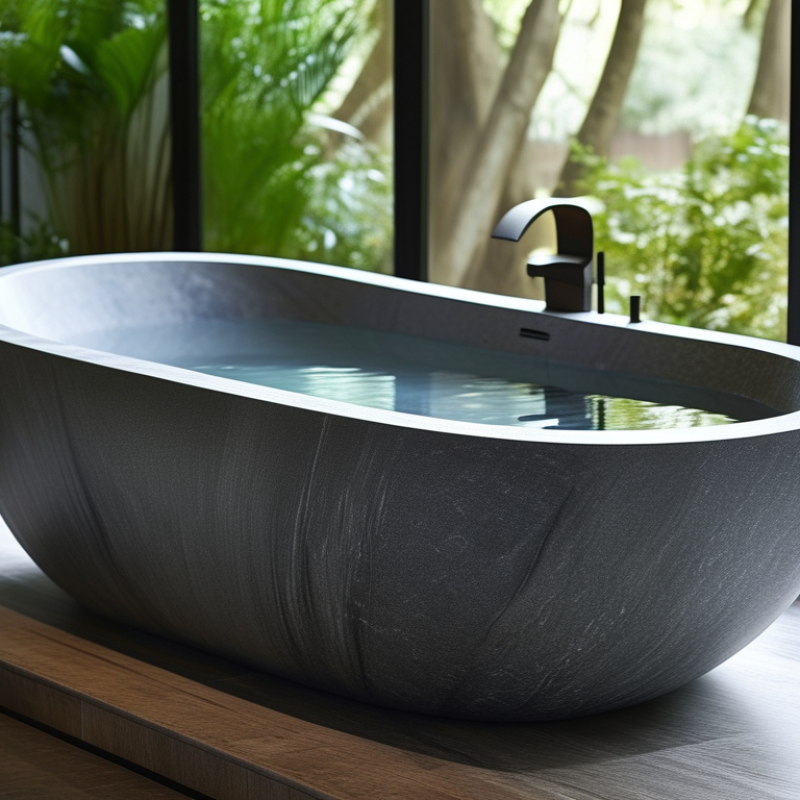
A solid surface soaking tub is made from a dense blend of minerals and resin. Unlike acrylic, its material runs through the entire tub body. Small scratches may be repairable because the color is not only a surface coating. The smooth, nonporous finish also resists moisture, soap residue, and everyday staining.
A Solid Surface Tub usually feels warmer and heavier than thinner bathtub materials. Its deep interior supports longer soaking, but the extra weight requires careful floor planning.
In real bathroom projects, I have found that comfort depends more on shape than appearance. A gently sloped backrest can reduce shoulder pressure during a long bath. The rim should also feel stable when entering or leaving.
Check the tub’s filled weight, drain position, and available doorway width before ordering. I once underestimated access space, and installation became unnecessarily difficult. That mistake still influences my measurements.
Tips:
Measure the bathroom, doorway, and turning space twice. Confirm floor strength with a qualified professional. Choose a tub with an accessible drain connection. Test the interior angle if possible. A beautiful Solid Surface Tub can feel uncomfortable when the basin is too narrow. Cleaning is simple, but abrasive powders may dull the finish. Use a soft cloth and a mild, non-abrasive cleaner.
A solid surface soaking tub begins with a carefully measured mineral-resin mixture. Mineral fillers add weight, while resin binds the structure. Pigments run through the material, not merely across its surface. This helps hide small scratches during daily use.
Manufacturers usually pour the mixture into a reinforced mold. Controlled vibration removes trapped air. The tub then cures before workers release it. CNC tools trim the rim, drain opening, and overflow channel. Skilled technicians sand the interior by hand. The finish should feel smooth, like a polished stone countertop. It should not feel glassy or dangerously slippery when wet.
Precision matters here.
The 2024 Houzz U.S. Bathroom Trends Study reported freestanding tubs in 26% of renovated primary bathrooms. That demand places greater pressure on weight control, floor loading, and installation accuracy. The U.S. Consumer Product Safety Commission also emphasizes stable bathroom fixtures and slip-aware design, although it does not certify individual tub models. Buyers should request documented testing against applicable plumbing-fixture standards, such as ANSI/IAPMO Z124, when relevant.
In real installations, small flaws become obvious. A slightly uneven base can create movement and drain problems. An overly thin rim may chip during delivery. I would inspect the underside, reinforcement points, drain alignment, and repair instructions before choosing a tub. Marketing photographs rarely reveal those details. The manufacturing process sounds controlled, but human finishing still introduces variation. That is worth acknowledging.
The best solid surface soaking tub is defined by more than sculptural looks. It should feel stable, warm, safe, and easy to maintain. Solid surface materials are generally nonporous, so water and soap residue cannot easily enter the surface. That matters around the overflow and drain. Look for a seamless interior, smooth radiused corners, and a deep basin that supports the shoulders without forcing the knees upward. The keyword matters here: Solid Surface Tub Walls should meet the tub with minimal joints, reducing places where mildew may collect.
Thermal performance deserves careful attention. A thick, dense tub can feel warmer than thin acrylic, but insulation and bathroom temperature also affect comfort. Ask for tested heat-retention data, not showroom promises. The U.S. Environmental Protection Agency reports that WaterSense showerheads use no more than 2.0 gallons per minute, compared with the federal 2.5-gallon standard. Efficient controls can reduce wasted water while the tub fills. Still, a soaking tub may use more water than a quick shower, so the overflow height and filler speed need practical review.
Safety is less glamorous. It is essential. The National Kitchen & Bath Association’s 2024 design research continues to identify aging-in-place and easier bathroom access as important planning concerns. Choose a slip-resistant floor, reachable controls, reinforced mounting points, and a broad tub rim. I would not trust a surface described as “non-slip” without a test rating. Installation errors can ruin an excellent shell. A perfectly made tub may still feel cold, rock slightly, or drain poorly when the floor is not prepared correctly.
| Feature | Recommended Benchmark | Why It Matters | What to Check Before Purchase |
|---|---|---|---|
| Material Composition | Non-porous mineral-resin or stone-resin solid surface | A dense, non-porous surface resists water absorption, stains, and odor retention while providing a substantial feel. | Confirm that the tub is made from a through-body solid-surface material rather than a thin surface coating over a different core. |
| Overall Length | Approximately 1,500–1,800 mm | This range accommodates many common bathroom layouts while allowing enough room for a comfortable soaking position. | Measure the finished bathroom space, doorways, stairways, and turning areas before ordering. |
| Overall Width | Approximately 750–900 mm | A wider basin generally provides better shoulder and hip comfort, but it requires more floor area. | Leave adequate clearance around the tub for cleaning, entry, and access to plumbing connections. |
| Interior Water Depth | Approximately 450–600 mm | A deeper interior supports shoulder-level soaking and is one of the main advantages of a dedicated soaking tub. | Check the usable interior depth rather than relying only on the external height of the tub. |
| Typical Water Capacity | Approximately 180–300 litres | Capacity affects filling time, water consumption, heating requirements, and the load placed on the floor. | Use the manufacturer’s stated capacity and compare it with the hot-water system’s available output. |
| Thermal Performance | Dense construction with an insulated underside or optional insulation | Solid-surface materials generally feel substantial and can help maintain a stable bathing temperature, although insulation and room conditions also matter. | Look for details about wall thickness, underside insulation, and installation instructions rather than relying on material name alone. |
| Wall Thickness | A consistent, substantial wall with no visible thin or hollow sections | Consistent construction improves durability, rigidity, appearance, and resistance to flexing during use. | Ask for a technical drawing or cross-section showing the wall and base construction. |
| Surface Maintenance | Smooth, non-porous, easy-clean finish | A sealed, non-porous surface reduces the accumulation of soap residue, dirt, and moisture-related stains. | Use mild, non-abrasive cleaners and verify the care instructions. Avoid harsh scouring pads unless approved for the finish. |
| Repairability | Surface capable of professional sanding, polishing, or color-matched repair | Minor scratches and small surface imperfections may be repairable, helping extend the usable life of the tub. | Confirm the repair procedure, approved products, and whether the color extends through the material. |
| Base Stability | Rigid, level-supporting base with full contact or an approved support system | A stable base helps prevent movement, stress around the waste connection, and uneven loading. | Follow the installation method exactly and verify that the supporting floor can carry the filled tub and occupant. |
| Filled Weight | Calculate tub weight + water capacity + occupant weight | Solid-surface tubs can be considerably heavier than thin-walled alternatives. Water alone weighs about 1 kg per litre. | Have a qualified professional confirm the floor loading, especially for upper-floor or timber-floor installations. |
| Waste and Overflow | Accessible standard waste connection with a properly positioned overflow | Correct drainage supports safe operation and simplifies maintenance or future servicing. | Check waste diameter, overflow location, trap clearance, access requirements, and compatibility with local plumbing standards. |
| Ergonomic Shape | Contoured backrest, comfortable rim, and supported soaking angle | A visually attractive tub is not necessarily comfortable. Interior geometry determines posture, neck support, and usable bathing space. | Review interior dimensions and, if possible, sit in a comparable tub before making the final decision. |
| Rim and Edge Design | Smooth, rounded, consistently finished edges | Comfortable edges improve safety and reduce pressure points when entering, exiting, or resting an arm. | Inspect the rim finish and ensure the design allows water to drain back into the basin rather than onto the floor. |
| Color and Finish | Consistent matte or satin finish with low visible glare | Neutral matte finishes can conceal minor water marks and complement a wide range of bathroom materials. | Request a physical sample because screen colors may not accurately represent the finished product. |
| Installation Access | Clear delivery route and service access to the waste connection | The weight and size of a solid-surface tub can make delivery and positioning more demanding than installation alone. | Confirm package dimensions, lifting requirements, delivery team responsibilities, and access panels before purchase. |
| Safety and Compliance | Documented installation guidance and compliance with applicable local standards | Proper drainage, structural support, electrical separation, and slip considerations help reduce installation and operating risks. | Request technical documentation and use licensed plumbing or building professionals where required by local regulations. |
| Long-Term Value | Durable construction, repairable surface, replaceable waste parts, and clear care guidance | The best tub balances comfort, maintenance, installation practicality, and serviceability rather than focusing only on appearance. | Compare the expected service life, repair options, spare-part availability, and installation cost as part of the total budget. |
Choosing the best solid surface soaking tub starts with matching its dimensions to your bathroom and daily habits. Measure the room, doorway, and plumbing access before shopping. A tub may fit the floor plan but fail at the entrance. I once underestimated that detail, and the delivery path became awkward.
Length affects legroom, while width controls shoulder comfort. Freestanding shapes often create a softer visual impression, but curved interiors can reduce usable space. Rectangular tubs usually offer clearer back support and easier wall alignment. Check the interior measurements, not only the outside dimensions. A compact tub can still feel generous with a deep basin and a sloped backrest.
Depth changes the soaking experience. A deeper model supports shoulder-level immersion, but stepping over a tall rim may feel unsafe for some users. Sit inside a showroom model if possible. Notice where your neck, knees, and feet rest. Water displacement also matters; a smaller tub may overflow sooner than expected. This is easy to overlook. Pair the tub with a stable floor, accessible controls, and a properly sealed Solid Surface Tub Surround. Solid surfaces resist stains and simplify cleaning, yet poorly supported panels can move or crack. Ask for installation details, warranty terms, and maintenance instructions in writing. Comfort is personal, so a technically excellent tub may still feel wrong after ten quiet minutes.
This comparison uses representative dimensions commonly found in solid surface soaking tubs. Longer tubs generally provide more room to recline, while greater interior depth supports a more immersive soak. A compact oval suits smaller bathrooms, a standard rectangular tub balances space and comfort, a deep slipper tub prioritizes upright soaking, and a double-ended tub offers flexible back support for two reclining positions.
A high-performing solid surface soaking tub balances heat retention, cleanability, and repairability. In showroom testing, thicker mineral-composite walls usually feel more stable than thin acrylic shells. They also retain warmth longer, though the bathroom temperature still matters. Acrylic offers a lighter installation and a warmer first touch. Its surface can scratch, but minor marks are often repairable. That practical advantage is easy to overlook.
Material choice should match daily use. Cast mineral and resin composites provide strong rigidity and a dense, quiet feel. Their nonporous surfaces resist absorbed moisture and simplify cleaning. Acrylic remains a sensible option for upper-floor renovations because it reduces structural load. The 2024 Houzz U.S. Bathroom Trends Study reported that 79% of homeowners upgraded their showers, showing how heavily bathing spaces are being used. A tub should survive frequent cleaning, not just photograph well.
Finish affects long-term performance. Satin and soft-matte finishes hide water spots better than high gloss, especially around the drain and overflow. However, aggressive cleaners can dull either finish. The National Kitchen and Bath Association’s 2024 design research continues to identify easy-care surfaces as a major renovation priority. I prefer a smooth, low-sheen finish with a tested slip-resistant base. Not every textured surface feels comfortable. Ask for ASTM slip testing, repair instructions, wall thickness, and thermal-performance details before ordering. Manufacturers sometimes describe “stone feel” without publishing useful test data. That should invite a second look.
Choosing the best Solid Surface Freestanding Tub requires more than comparing its shape or showroom finish. Installation should begin with the floor, doorway, and drain location. A filled tub can weigh several hundred kilograms, so the floor may need professional assessment. Measure the route carefully. Tight corners create expensive surprises. The tub should sit level, with stable support beneath its base and safe access to the waste connection.
Maintenance is usually straightforward, but the surface still needs thoughtful care. Wipe away soap residue after bathing with a soft cloth and mild cleaner. Avoid abrasive pads, harsh acids, and very hot objects placed on the rim. Small scratches may be repairable, depending on the material and finish. However, repairs can leave visible differences if the surface has aged unevenly. That detail is easy to overlook.
Durability depends on thickness, construction quality, proper support, and daily use. Inspect the tub for consistent color, smooth edges, and a firm base before installation. Ask for documented care instructions and warranty terms, not verbal promises. Cost includes more than the tub itself: delivery, plumbing changes, faucet installation, floor preparation, and possible access repairs. A lower purchase price may become higher after labor is added. An experienced installer should confirm these figures in writing before work begins. The most attractive option may not be the most practical one.
: It should feel stable, warm, safe, and simple to maintain. A nonporous surface resists water and soap residue. Look for seamless interiors and rounded corners. The basin should support your shoulders without raising your knees sharply.
Fewer joints leave fewer places for mildew to collect. The tub should connect neatly with surrounding wall panels. Sealed edges also make routine cleaning easier. Small gaps can become frustrating.
Ask for tested heat-retention data. Do not rely only on showroom claims. Tub thickness, insulation, and room temperature affect warmth. A dense tub may feel warmer than a thin one, but not always.
Measure the bathroom, doorway, and plumbing route. A tub may fit the floor but fail during delivery. Check interior length and width, not only exterior dimensions. Measure twice.
Curved tubs can look gentle but may reduce usable space. Rectangular tubs often provide clearer back support. A sloped backrest and deep basin can improve comfort. Sit inside one before deciding.
Greater depth can support shoulder-level soaking. However, a tall rim may make entry difficult. Check where your neck, knees, and feet rest. Comfort differs between users.
Choose a tested slip-resistant floor and reachable controls. A broad rim can provide extra support. Reinforced mounting points help stabilize the tub. Do not trust “non-slip” wording without test details.
A soaking tub may use more water than a quick shower. Review filler speed and overflow height together. Efficient water controls can reduce waste while filling. Water displacement matters.
The floor must be level, strong, and properly prepared. Poor support can cause rocking, cold surfaces, or slow drainage. Surround panels need secure support to avoid movement or cracks. A beautiful tub can still perform badly.
A Solid Surface Soaking Tub is a deep, nonporous bathtub made from a blended mineral or resin-based material, designed to provide comfortable full-body immersion and a refined appearance. The best models are carefully engineered and molded as a seamless structure, offering consistent thickness, strong support, smooth curves, and reliable resistance to moisture. Their design should balance tub size, shape, depth, and interior ergonomics so users can recline comfortably without wasting unnecessary bathroom space.
When comparing options, consider durable materials, attractive matte or polished finishes, stain resistance, and a surface that is easy to clean and repair. Installation requirements are equally important, including floor support, drainage access, delivery dimensions, and compatibility with existing plumbing. A high-quality Solid Surface Soaking Tub should maintain its color and structural integrity over time while requiring minimal maintenance. Evaluating purchase price alongside installation, long-term durability, comfort, and care requirements will help identify the best overall value for your bathroom.