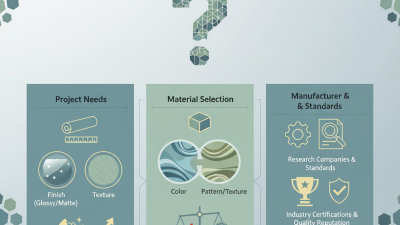
When you’re diving into modern design and architecture, one thing that really matters is choosing the right materials. Take Thin Solid Surface Material, for example — it's been getting quite a bit of buzz lately, thanks to how versatile and good-looking it is. As expert Mark Williams from Surface Solutions puts it, 'Thin Solid Surface Material combines beauty and practicality, opening up a ton of creative possibilities.' That really drives home how important it is to pick materials that aren’t just about looking pretty but also functioning well across different kinds of projects.
More and more designers are opting for Thin Solid Surface because of its unique qualities. It’s tough, non-porous, and super easy to keep clean. Those qualities make it great for anything from cozy homes to busy commercial spaces. But, here’s the thing—it's not a one-size-fits-all solution. Some projects might need textures or structural support that this material doesn’t offer, so it's really essential to weigh what each project calls for.
Of course, it’s not all smooth sailing. The cost can be a bit higher compared to more traditional materials, which might make folks hesitate. And if you only look at the upfront price, you might miss out on the long-term benefits — which could leave you regretting your choice later on. The trick is making sure that the material fits well with your overall goals for the project. Finding that sweet spot between looking good and practical use is never easy, but it’s pretty much crucial if you want your design to stand out in the end.
Advantages of Thin Solid Surface Material in Construction Projects
Thin Solid Surface Material is revolutionizing construction projects. Its sleek design adds elegance to various spaces. The material is lightweight, making it easy to handle and install. Builders appreciate how it reduces labor costs and time. The versatility of solid surface material allows for creative applications. It can be molded into different shapes, enhancing architectural visions.
Durability is another significant advantage. Thin solid surface material is resistant to staining, impacts, and scratches. This property ensures longevity, making it suitable for high-traffic areas. Additionally, it is non-porous, which promotes hygiene. This is crucial in environments like hospitals and kitchens. However, the aesthetic appeal cannot overshadow practical considerations.
Some contractors may overestimate its ease of maintenance. While solid surface material is relatively easy to clean, deep scratches can occur. Proper care and periodic refinishing can help. The availability of various colors and patterns can be overwhelming. Choosing the right one requires careful thought and planning. This consideration is vital to achieving a cohesive design.
Durability and Longevity of Thin Solid Surfaces Compared to Alternatives
Thin solid surface materials are gaining popularity in various projects due to their impressive durability. In industry studies, thin solid surfaces exhibit a lifespan that can exceed 10 years when properly maintained. This longevity often surpasses traditional materials like wood and laminate, which typically last between 5 to 7 years. The resilience of thin solid surfaces against scratches, stains, and heat makes them a preferred choice for countless applications, ranging from countertops to wall panels.
Moreover, the non-porous nature of thin solid surfaces means they resist bacterial growth more effectively than alternatives. A study published by the National Sanitation Foundation (NSF) highlights that these surfaces are easier to clean, improving hygiene in kitchens and bathrooms. This is particularly valuable in commercial settings, where cleanliness is paramount. However, some installations may require specific bonding techniques to ensure longevity, which can lead to additional labor costs and challenges.
Tip: Regularly clean your thin solid surface with mild soap and water to maintain its appearance. Avoid harsh chemicals that may compromise its finish.
It's also crucial to note that while thin solid surfaces boast remarkable properties, they can be susceptible to chipping if subjected to heavy impacts. Users should consider edge protection in high-traffic areas. Investment in a durable solution like 1 4 Solid Surface Material can mitigate these risks and ensure long-term satisfaction.
Design Flexibility and Aesthetic Appeal of Thin Solid Surfaces
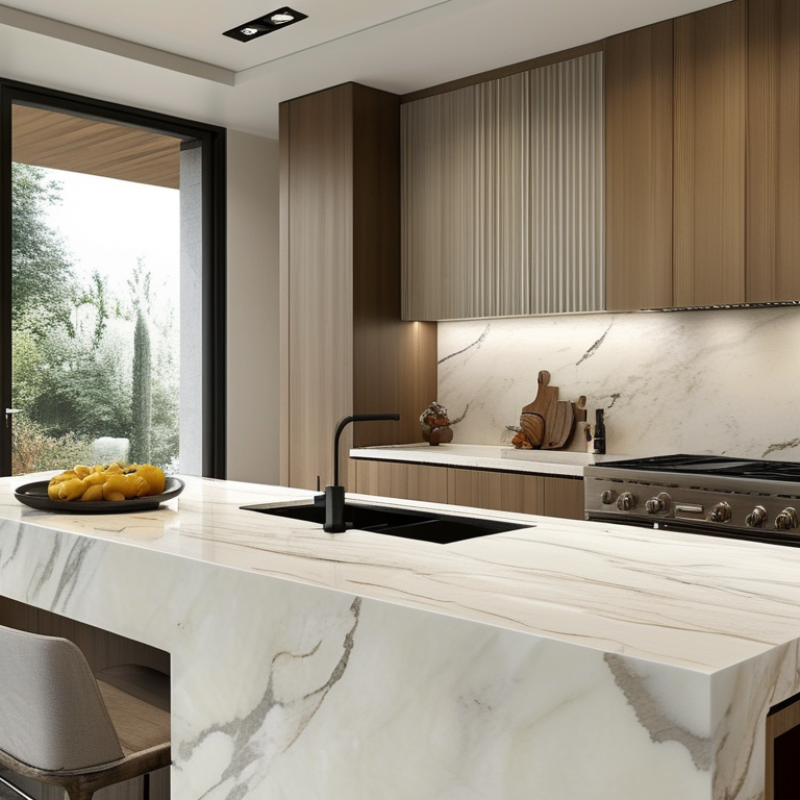
Thin solid surfaces have gained popularity in modern design, offering remarkable design flexibility and aesthetic appeal. Architects and designers appreciate how these materials can mimic natural stone, wood, or even concrete. Their versatility allows for seamless integration into various projects, from countertops to wall panels. The sleek look and smooth texture can elevate any space, providing a contemporary touch.
The ability to create unique shapes and styles sets thin solid surfaces apart. They are lightweight yet durable, which means they can be easily installed in tricky locations. With colors ranging from deep shades to soft pastels, designers can express creativity. The use of White Solid Surface Material, for instance, can brighten a room and enhance the feeling of space. This material also allows for easy maintenance, as its non-porous nature resists stains.
However, choosing thin solid surface material requires careful consideration. Some may find it less robust compared to traditional options. Additionally, budget constraints can affect the overall choice. Understanding the pros and cons is key. This awareness helps in making informed decisions that balance beauty with practicality. The journey of exploring color, form, and function continues to inspire many in the design community.
Ease of Maintenance and Cleaning for Thin Solid Surface Materials
Thin solid surface materials, particularly Acrylic Solid Surface Material, are increasingly preferred for their ease of maintenance. Their non-porous nature prevents the absorption of stains and spills, making them ideal for high-traffic areas. Accidental spills from coffee or juice can simply be wiped away. This feature allows for a clean environment without much effort.
Cleaning these surfaces is straightforward. A soft cloth and mild detergent are often all that's needed. No need for harsh chemicals or complex cleaning solutions. This simplicity is appealing for both residential and commercial spaces. However, while these surfaces are durable, mishaps can still occur. Scratches may appear over time, requiring some attention.
Even the best materials have their flaws. Regular maintenance is necessary to ensure they remain pristine. Although they resist many common stains, continuous exposure to abrasive materials can be damaging. Users must be cautious with tools and cleaning materials to preserve the surface's integrity. Balancing convenience and care is crucial for maintaining the quality of your Acrylic Solid Surface Material.
Sustainability and Eco-Friendliness of Thin Solid Surfaces
Thin solid surface materials offer a sustainable and eco-friendly option for various projects. These materials are made from a combination of natural minerals and resins, resulting in a non-toxic product. Their longevity reduces waste, contributing to a healthier environment. When choosing surfaces, consider their lifecycle impact.
For your projects, think about local sourcing. Reducing transportation emissions is key to sustainability. Ensure the materials are recyclable. Items that can't be recycled end up in landfills, harming the planet. Pay attention to certifications that guarantee eco-friendly production processes.
Avoid excessive use of chemicals in maintenance. Using simple, natural cleaning solutions can extend the life of thin solid surfaces. Regular maintenance not only preserves the aesthetic but also aids in sustainability. Additionally, consider the end-of-life options for these materials. Opting for reusable products can make a significant difference. Design choices matter—each decision impacts the environment.
Why Choose Thin Solid Surface Material for Your Projects? - Sustainability and Eco-Friendliness of Thin Solid Surfaces
| Feature |
Description |
Benefits |
| Sustainable Manufacturing |
Produced using eco-friendly processes and materials. |
Reduces environmental impact and promotes sustainability. |
| Recyclability |
Can be recycled at the end of its life cycle. |
Minimizes waste and supports circular economy practices. |
| Non-Toxic Properties |
Free from harmful chemicals and VOCs (Volatile Organic Compounds). |
Enhances indoor air quality and safety for occupants. |
| Durability |
Highly resistant to scratches and stains. |
Lowers maintenance costs and extends product lifespan. |
| Aesthetic Versatility |
Available in various colors and finishes. |
Easily integrates into diverse design styles. |
Cost-Effectiveness in the Long Run of Thin Solid Surface Applications
When considering materials for your projects, thin solid surface material stands out for its long-term cost-effectiveness. Unlike traditional materials, it offers durability and resilience. This means fewer replacements and repairs over time. The initial investment might be higher, but the longevity offsets this cost.
Thin solid surfaces are versatile, able to mimic the look of stone or wood. They can be used in kitchens, bathrooms, and commercial spaces. Ease of maintenance adds to their value. A quick wipe can keep them looking new. However, choosing the right finish is crucial. Some surfaces may scratch more easily, requiring careful consideration.
Furthermore, the environmental impact cannot be ignored. Many thin solid surfaces are crafted from recycled materials. This contributes to sustainability efforts. However, not all products meet the same standards. Researching reputable suppliers is essential. Understand the material’s lifecycle and recyclability. Balancing aesthetics with practicality is key, ensuring your investment is worthwhile in the long run.
Common Applications and Use Cases for Thin Solid Surface Materials
Thin solid surface materials are gaining traction in various industries, thanks to their versatility and robust properties. They cater to multiple applications, from residential kitchens to commercial spaces. Their non-porous nature makes them resistant to stains and bacteria, which is vital for hygiene-focused environments.
In residential settings, these materials are excellent for countertops. They provide a seamless look, which enhances overall aesthetics. Additionally, their ability to mimic natural stone allows for diverse designs.
In commercial spaces, such as restaurants and hotels, thin solid surfaces are favored for wall cladding and bar tops. These surfaces withstand high traffic while maintaining a polished appearance.
Tips: Always consider the installation process. Proper installation ensures a long-lasting finish. Additionally, assess the maintenance requirements. Some surfaces may need special cleaners or care.
While thin solid surfaces offer many advantages, they may also have limitations. Some colors may fade over time, especially in direct sunlight. It's essential to choose appropriate applications based on the environment. Reflect on how these materials perform under specific conditions before making a decision.
FAQS
: Thin solid surfaces are versatile materials used in design. They can mimic natural stones, wood, and concrete.
They allow unique shapes and styles. Their lightweight nature makes installation easier in tricky locations.
Yes, they are non-porous and resistant to stains. A quick wipe keeps them looking new.
They are used in residential kitchens, bathrooms, and commercial spaces like restaurants and hotels.
Evaluate durability and budget constraints. Some finishes may scratch more easily, requiring careful choice.
Many are made from recycled materials, contributing to sustainability. Researching suppliers helps ensure eco-friendly choices.
Yes, some colors may fade over time, particularly in direct sunlight. Choosing appropriate applications is important.
Ensure proper installation for a long-lasting finish. Consider maintenance requirements to keep surfaces in good condition.
They may be less robust than traditional options. Balancing aesthetic with practicality can be challenging.
The initial investment can be higher, but their longevity offers cost-effectiveness over time.
Conclusion
Thin Solid Surface Material offers numerous advantages for construction projects, making it a popular choice among designers and builders. Its durability and longevity are notable compared to alternative materials, ensuring that installations remain in excellent condition over time. The design flexibility and aesthetic appeal of thin solid surfaces allow for a wide range of creative applications, making them suitable for various styles and environments. Additionally, maintenance and cleaning are straightforward with these materials, contributing to their practicality.
Sustainability and eco-friendliness further position Thin Solid Surface Material as a responsible choice for modern projects. Economically, this material is cost-effective in the long run, providing value through its durability and reduced maintenance needs. Common applications include countertops, wall panels, and various architectural elements, highlighting its versatility and functionality in diverse use cases. Overall, Thin Solid Surface Material balances performance with visual appeal, making it an excellent option for contemporary construction endeavors.

 +86 13828069877
 Contact Phone
 Contact Email