Choosing the best solid countertop surface isn't exactly rocket science, but knowing your options definitely helps. I mean, if you’ve checked out reports from places like Research and Markets, you'll see that the global market for solid surface materials is expected to hit around USD 1.19 billion by 2028. That’s pretty telling — it shows how much folks are craving durable, good-looking surfaces, whether it's for their homes or businesses.
Big names like DuPont Corian and LG HI-MACS are pretty much leading the pack. They offer a bunch of different solid surface sheets, and honestly, these are often favorites because they’re reliable and versatile. You can check out some of these options [here](https://www.koris-solidsurface.com/solid-surface-countertop-sheets). But, let's be real, not all surfaces are created the same. You'll find a ton of brands claiming they have the “best,” but taking the time to read up on specifications and customer reviews? Totally worth it.
Some brands might not live up to expectations or might miss key qualities that matter most. That’s why it’s super important to compare finishes, colors, and how well they hold up over time. Not every solid surface can handle daily wear and tear equally well. So, a little research and a keen eye go a long way. Figuring out the best solid countertop surface really comes down to mixing some expert advice with what feels right for your space — it’s all about finding that perfect fit.
Understanding OEM: Definition and Importance in Countertop Manufacturing
OEM, or Original Equipment Manufacturer, plays a pivotal role in the countertop industry. It enables companies to create customized products while leveraging the expertise of established factories. This collaboration ensures that countertops, including Solid Surface Sink And Countertop solutions, meet quality and design specifications. Data shows that 70% of countertop manufacturers partner with OEMs to optimize production efficiency and reduce costs.
Understanding OEM dynamics is essential. It allows manufacturers to utilize advanced technologies and materials. Industry reports highlight that countertops produced through OEM processes often achieve superior durability and aesthetic appeal. However, some companies struggle to select reliable OEM partners. Poor communication, lack of transparency, and varying quality standards can create significant challenges.
Moreover, not all OEMs are created equal. Factors such as factory capabilities and design flexibility impact the final product. A crucial data point is that approximately 60% of manufacturers report facing obstacles related to quality assurance. Ensuring a thorough vetting process for OEM partners is critical. This investment can lead to high-quality Solid Surface Sink And Countertop products that satisfy market demands and consumer preferences. Establishing these relationships requires ongoing assessment and adaptation.
Key Characteristics of Solid Surface Countertops: A Comparative Analysis
Solid surface countertops have gained popularity due to their unique features and versatility. One key characteristic is their seamless appearance. When installed correctly, these countertops create a continuous look, enhancing aesthetics in any space. The smooth surface allows for easy cleaning, making it ideal for busy kitchens and bathrooms.
Durability is another important factor. Solid surfaces resist scratches and stains better than many materials. However, they are not entirely immune to damage. High heat can cause deformation, and certain harsh chemicals may mar their finish. Understanding these limitations is vital for potential buyers.
Options for customization are extensive. Solid surfaces can be molded into various shapes and sizes. This flexibility allows for creative designs that fit specific needs. Yet, this customization often comes at a higher cost. Balancing budget with quality remains a challenge. It’s a space where practicality meets personal taste, requiring careful consideration.
Top Materials Used in OEM Solid Surface Production: Pros and Cons
When considering OEM solid countertop surfaces, materials play a crucial role in quality and functionality. Common materials include quartz, acrylic, and solid surface composites. Each has unique properties that impact durability and aesthetics.
Quartz, for instance, is non-porous and resistant to stains, making it a popular choice. However, it can be prone to chipping and scratches if not properly cared for.
Acrylic surfaces are flexible and easy to shape. They provide a seamless appearance but can be less heat-resistant than stone. Solid surface composites offer the best of both worlds, combining visual appeal with durability. However, they may require more maintenance than their quartz counterparts. According to a report by the International Surface Fabricators Association, "The solid surface market is projected to grow by 5% annually due to increasing demand from residential projects."
Tip: When choosing a solid surface, consider the environment where it will be used. High-traffic areas may benefit from more durable materials. Regular cleaning and appropriate sealing are vital to preserve their look.
Think about the long-term implications of your choice. Some surfaces may wear out faster, affecting your investment. Always consult with professionals about the best options for your specific needs.
Tip: Don’t hesitate to request samples. Testing the materials can provide insight into what suits your style and functionality better.
Market Leaders in OEM Countertops: A Look at Major Manufacturers
When exploring the market for OEM countertops, several manufacturers stand out for their expertise and innovation. These companies have honed their processes, ensuring high standards in the production of Solid Surface Countertop Materials. Their extensive experience helps guarantee durability and aesthetic appeal. Selecting the right manufacturer can significantly influence the final product's quality.
Each major player offers unique features in their solid surface countertop material. Some focus heavily on eco-friendly practices, using sustainable resources. Others prioritize advanced technology to enhance the material's performance. It's important not to overlook the craftsmanship involved; even the best machines cannot replace skilled human oversight. Potential buyers should ask about the production process to understand the level of quality they might receive.
However, not all manufacturers are created equal. Some may claim high durability but could lack transparency in their material sourcing. This inconsistency can lead to unexpected issues. It's wise to conduct thorough research and ask for samples before making a decision. Consulting with industry experts can also provide invaluable insights, ensuring you get a reliable product that meets your needs.
Consumer Trends: Preferences for Solid Surface Countertops in 2023
In 2023, consumer preferences for solid surface countertops have shifted notably. Homeowners now prioritize durability and aesthetics. Many seek options that blend well with modern kitchen designs. Colors like muted earth tones and vibrant blues are trending. Unique finishes, such as matte surfaces, are also gaining attention. They add a touch of elegance to any space.
Sustainability plays a crucial role in decision-making. Consumers are more informed about eco-friendly materials. Brands offering recyclable options stand out in the market. However, not all products marketed as sustainable meet these expectations. Transparency in sourcing and manufacturing is essential. Buyers are encouraged to do thorough research before making a choice.
Price remains a significant factor. While some are willing to invest, affordability is key for many. It’s important to find a balance between cost and quality. In this landscape, engaging with knowledgeable suppliers can build trust. An informed choice leads to satisfaction. Finding the right solid surface countertop still requires careful consideration and reflection on personal needs and style.
Sustainability Practices in OEM Solid Surface Production
Sustainability is a growing focus in the OEM solid surface production sector. Many manufacturers are adopting eco-friendly practices. For instance, the use of recycled materials in producing countertops is on the rise. According to a recent report by the International Panel on Climate Change, using recycled materials can reduce carbon emissions by up to 50%. This shift is not just beneficial for the environment but also appealing to consumers seeking sustainability.
Despite these advancements, challenges remain. Some manufacturers struggle with the sourcing of sustainable materials. The availability and cost can be hurdles. It’s noted in a recent industry survey that 30% of producers find it difficult to maintain sustainability without increasing prices. This factor can impact the accessibility of the Least Expensive Solid Surface Countertop options on the market. Transparency in the production process is essential, but many companies still need to improve in this area.
Efforts to improve energy efficiency in production facilities are also paramount. The U.S. Energy Information Administration reported that manufacturing accounts for about 30% of the country's energy consumption. However, some OEMs have yet to implement comprehensive energy-saving measures. Striking a balance between cost, quality, and sustainability remains an ongoing challenge in the industry.
What is OEM Best Solid Countertop Surface from Top Factories? - Sustainability Practices in OEM Solid Surface Production
| Dimension |
Measurement |
Sustainable Practice |
Certification |
| Thickness |
1.5 cm, 2 cm |
Recycled Materials |
ISO 14001 |
| Color Options |
20+ Colors |
Water-Based Adhesives |
LEED Certification |
| Durability |
10-15 Years |
Low Emission Manufacturing |
Green Seal |
| Maintenance |
Easy to Clean |
Energy-Efficient Processes |
EcoLabel |
Cost Factors and Pricing Strategies for OEM Countertops: Industry Insights
When considering the OEM countertop market, cost factors play a crucial role. Pricing strategies can vary significantly among manufacturers. For example, material quality directly influences the final price. Different types of Solid Surface Countertops may come with varying production costs depending on their composition and sourcing location. It's essential to understand that lower prices might mean compromised quality.
Additionally, production volume affects pricing. Larger manufacturers often enjoy economies of scale, resulting in lower costs. However, smaller factories may offer specialized services or unique designs. This can lead to higher prices. Customization and unique features in Solid Surface Countertops can further increase production expenses, impacting overall pricing strategies.
Understanding market trends is vital for effective pricing. Supplier relationships and material availability also contribute to fluctuations. Manufacturers must constantly analyze these factors to remain competitive. Transparency in pricing is not always guaranteed, so it's worth questioning why certain quotes may seem unusually high or low. Reflecting on these details helps stakeholders navigate the complexities of the OEM countertop industry.
Exploring Trends and Demands in Solid Surface Countertops: Insights from 2023 Industry Reports on Marble-Acrylic Options for Home Interiors
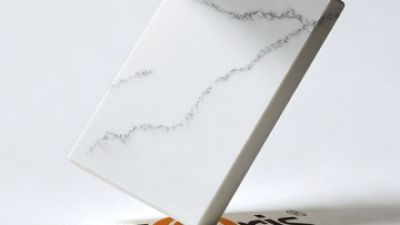
As the demand for solid surface countertops continues to rise in 2023, the focus on marble-acrylic options highlights a blend of beauty and functionality for home interiors. One exemplary product in this category is the HW6812 Solid Surface, proudly produced in a state-of-the-art facility. This premium option showcases the stunning appearance of natural Calacatta marble with its pristine white base accentuated by graceful grey veins, making it an ideal choice for modern luxury spaces.
The HW6812 is not just about aesthetics; it's engineered to withstand the rigors of daily use. Its non-porous and stain-resistant properties ensure that it remains both beautiful and functional over time. Whether it's for kitchen countertops, integrated bathroom vanities, or custom furniture, this versatile material offers seamless integration and a flawless finish. With a 10-year warranty and certifications for quality, the HW6812 stands out as a reliable choice, meeting the evolving trends and demands in the solid surface countertop market.
FAQS
: OEM stands for Original Equipment Manufacturer. It helps produce customized countertops efficiently.
About 70% of manufacturers collaborate with OEMs to enhance production efficiency and cut costs.
Many struggle with poor communication, lack of transparency, and differing quality standards.
Common materials include quartz, acrylic, and solid surface composites, each with unique properties.
Quartz is non-porous and stain-resistant, but it may chip or scratch without proper care.
Acrylic surfaces are flexible and look seamless, yet they are less heat-resistant than stone.
High-traffic areas demand tough materials. Evaluate long-term wear to protect your investment.
Yes, testing samples can help you find a material that fits your functional and aesthetic needs.
Many overlook maintenance requirements, which can impact the surface's longevity and appearance.
The industry is expected to grow by 5% annually due to higher demand in residential projects.
Conclusion
The article "What is OEM Best Solid Countertop Surface from Top Factories?" delves into the essential role of Original Equipment Manufacturing (OEM) in producing high-quality solid surface countertops. It highlights the key characteristics that define the best solid countertop surfaces, including durability, aesthetic appeal, and ease of maintenance. A comparative analysis of materials reveals the pros and cons of various options, helping consumers make informed decisions.
Additionally, the article explores current consumer trends in 2023, focusing on preferences for solid surface countertops, and examines sustainability practices that are increasingly being adopted in OEM production. Cost factors and pricing strategies are also discussed, providing insights into the economic aspects of manufacturing these popular surfaces. Overall, the article serves as a comprehensive guide for anyone interested in understanding the best solid countertop surfaces available in the market today.

 +86 13828069877
 Contact Phone
 Contact Email