+86 13828069877
Leave Your Message
-
Contact WhatsApp
-
 Contact Phone
-
 Contact Email
Engineered specifically to meet the rigorous physical and aesthetic demands of modern airport terminals and ticketing halls.
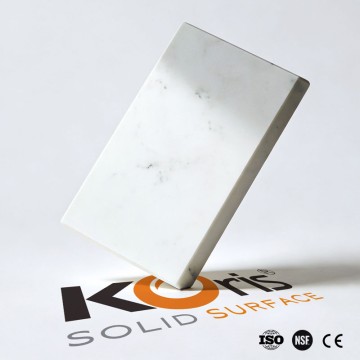
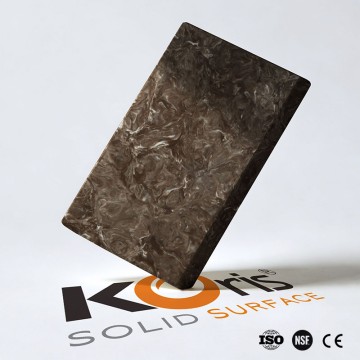
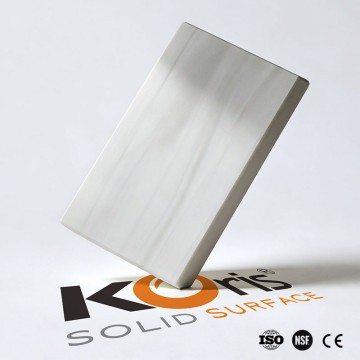
Modern aviation hubs are marvels of civil engineering, designed to process tens of millions of passengers annually. Within these high-pressure transit environments, the check-in area acts as the primary interface between the airline brand and the traveler. Consequently, specifying the right material for airport check-in counters is a crucial decision for airport authorities, commercial architects, and industrial designers. Historically, materials like high-pressure laminates (HPL), natural stone, and stainless steel were standard. However, the modern aviation sector has undergone a massive shift toward acrylic solid surface materials due to their unique combination of structural resilience, design flexibility, and hygiene compliance.
From a commercial perspective, airports operate 24/7/365, meaning any maintenance-related downtime translates directly into lost revenue and passenger congestion. Traditional laminates, while cost-effective initially, chip and delaminate under the constant impact of heavy luggage, baggage carts, and cleaning equipment. Natural stone, although aesthetically pleasing, is inherently porous, heavy, and prone to staining from spilled liquids, ink, and adhesives. Stainless steel offers durability but is highly susceptible to visible scratching, denting, and fingerprints, which quickly degrades the terminal's premium aesthetic. Acrylic solid surface bridges these gaps, providing a homogenous, renewable surface that withstands extreme mechanical wear while maintaining a flawless, high-tech appearance.
The check-in counter is not merely a writing desk; it is an active industrial workstation. The lower section of the counter directly abuts the baggage conveyor belt and scale system. Here, the material is subjected to constant impacts from heavy suitcases, metal buckles, and luggage wheels. Solid surface sheets, particularly modified acrylics, possess high impact resistance that prevents structural cracking. If scratches do occur, the homogenous nature of the material allows maintenance crews to quickly sand and buff the surface back to its original condition during off-peak hours.
Modern check-in counters house a complex array of technology, including passport scanners, biometric cameras, weight displays, boarding pass printers, and computer monitors. Acrylic solid surface can be seamlessly machined, routed, and thermoformed to create custom enclosures, wire management grommets, and flush-mounted device docks. This seamless integration prevents dust, debris, and liquids from entering the internal electronic compartments, thereby protecting the airport's expensive IT infrastructure.
In the post-pandemic era, public health compliance is non-negotiable. Solid surface materials are completely non-porous and joined with color-matched acrylic adhesives that cure to form a single, seamless surface. This eliminates grout lines, seams, and crevices where bacteria, mold, and viruses can breed. The material is chemically resistant to harsh, commercial-grade disinfectants, ensuring the counter can be sanitized hundreds of times daily without fading or losing its structural integrity.
Aviation architects prioritize ergonomic shapes to facilitate smooth passenger flow and ensure staff comfort. Solid surface sheets can be thermoformed into complex, organic curves, allowing designers to eliminate sharp corners. Curved edges reduce passenger injury risks and prevent damage to passing luggage carts, while providing a comfortable, modern look that aligns with the fluid dynamics of aviation design.
As self-service kiosks and automated bag drops become the norm, counters must guide passengers intuitively. Translucent solid surfaces integrated with programmable LED systems allow check-in counters to double as dynamic wayfinding displays. Airline logos, flight numbers, or queue indicators can be projected from behind the material, disappearing completely when the counter is inactive.
Global airports are committing to ambitious green initiatives. Solid surface manufacturers are responding by utilizing highly refined, eco-friendly modified acrylics that emit low VOCs and are certified for indoor air quality. The long operational lifespan of solid surfaces drastically reduces the carbon footprint associated with material extraction, processing, and transportation.
The demand for materials that can withstand aggressive cleaning agents without degrading has led to the development of highly cross-linked acrylic polymers. These advanced formulations offer superior resistance to chemical staining, yellowing from UV exposure in glass-walled terminals, and micro-scratching from passenger interactions.

Core Narrative: Driven by Pragmatism, A Quarter-Century of Craftsmanship Enabling Boundless Design.
In an era of accelerated internet communication where information can be difficult to verify, we deeply understand that what is truly trustworthy are the promises tested by time. The Koris story is about this steadfast, practical commitment, one that began in 1998 and spans over a quarter-century.
The Koris story begins in 1998. At that time, facing the high costs and long lead times of premium solid surface materials, as well as the general lack of character and depth in local materials, our founders established Koris with a pure passion for material science and a firm conviction in the industry's future.
We believe we are not just manufacturing sheets; we are "customizing spaces for the future." We want every sheet manufactured by Koris to instill a sense of confidence and usability in designers, fabricators, and airport terminal project managers globally.
Koris since 1998 has continually optimized its processes through practice, with experience serving design. This confidence stems from our strict selection of raw materials, meticulous attention to every batch, and unwavering adherence to delivery commitments for large-scale commercial developments.
Today, Koris is more than a solid surface factory; it is:
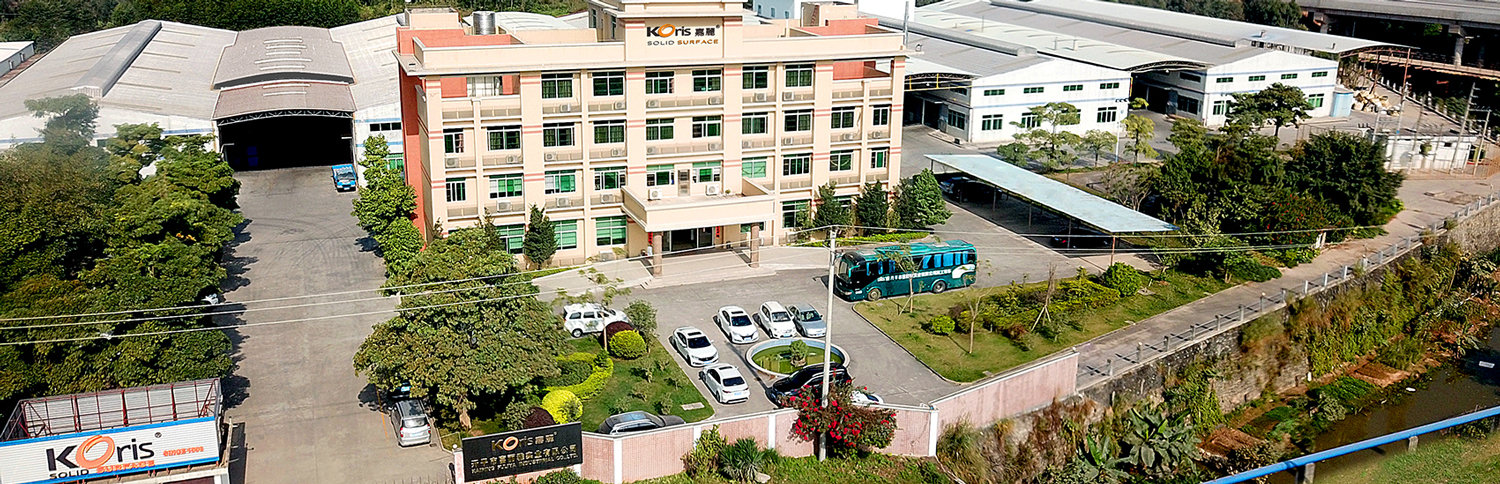
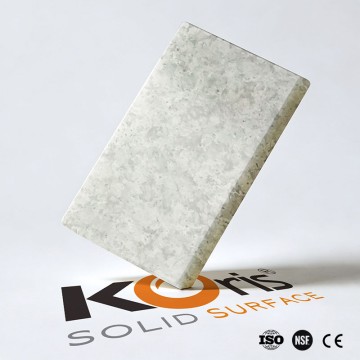
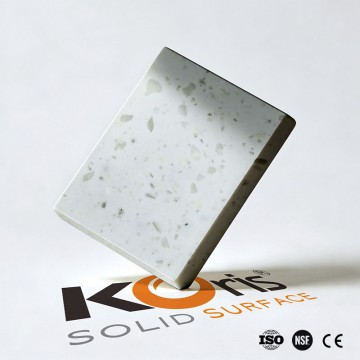
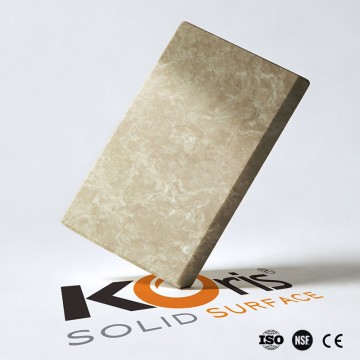
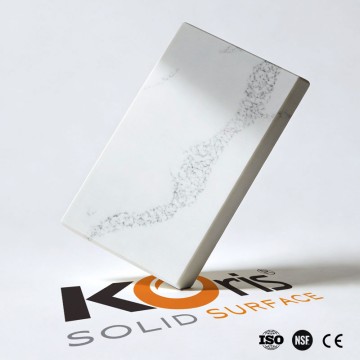
Explore our full line of premium acrylic and modified solid surface sheets designed for check-in counters, ticketing desks, and terminal high-wear zones.