 +86 13828069877
Leave Your Message
-
Contact WhatsApp
-
 Contact Phone
-
 Contact Email
Explore our high-performance acrylic solid surface sheets specifically tailored for seamless wall cladding, vanity systems, and wet-room environments.
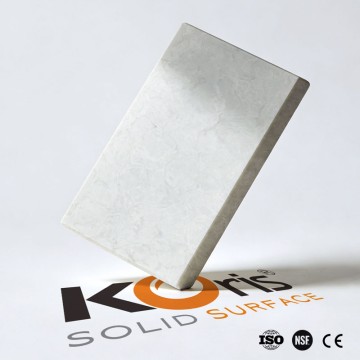
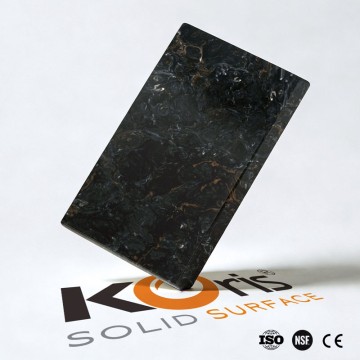
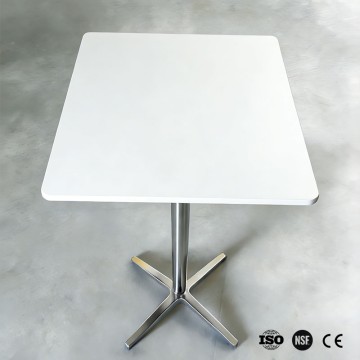
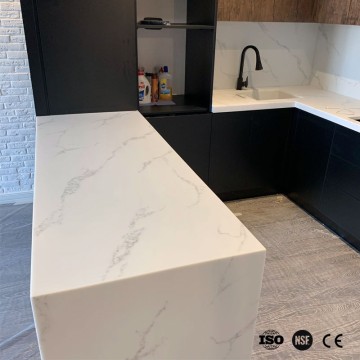
The global interior architecture market is experiencing a profound paradigm shift. Traditional cladding materials such as ceramic tiles, natural marble, and high-pressure laminates (HPL) are increasingly being replaced by engineered solid surface materials for bathroom wall cladding. This transition is driven by the material's unparalleled combination of design flexibility, hygienic performance, and long-term durability.
In high-humidity environments like commercial restrooms, hotel wet rooms, and healthcare facilities, traditional tiled walls present persistent challenges. Grout lines are inherently porous, acting as breeding grounds for mold, mildew, and bacteria. Over time, moisture infiltration leads to substrate degradation, structural rot, and expensive remediation. Solid surface materials—composed of advanced acrylic resins (PMMA) or modified polyesters combined with natural minerals like Alumina Trihydrate (ATH)—solve these issues at a molecular level. They offer a completely non-porous, monolithic barrier that is entirely impervious to moisture, chemical cleansers, and biological growth.
Unlike natural stone or ceramics, solid surfaces have no micro-pores. This prevents water absorption and makes the material self-sanitizing when combined with regular cleaning protocols, a crucial factor for modern commercial wet-rooms.
Using specialized color-matched acrylic adhesives, installers can join large solid surface panels together with virtually invisible seams, creating continuous, flow-like wall surfaces that span entire bathroom layouts.
Where design meets performance: exploring how high-performance solid surfaces solve complex layout challenges across diverse sectors.
In boutique hotels and premium spas, the bathroom is no longer just functional; it is a sanctuary. Designers leverage the thermoforming capabilities of acrylic solid surfaces to create curved wall transitions, integrated benches, and custom niches without joints. By eliminating sharp corners, they create a sensory-rich environment that feels warm to the touch, unlike cold natural stone.
Hospitals and laboratories mandate strict infection control protocols. Solid surface cladding panels are the gold standard here because they support coved wall-to-floor and wall-to-ceiling transitions. This eliminates ninety-degree angles where dust and pathogens accumulate, allowing walls to be easily wiped down and disinfected with harsh clinical chemicals without degrading the surface.
Public restrooms experience extreme wear and tear. Solid surface panels boast exceptional impact resistance. Furthermore, because the color and pattern run through the entire thickness of the material, any scratches, graffiti, or minor chips can be quickly sanded out and polished on-site, restoring the wall to its original pristine state without replacing the panel.
Certain solid surface formulations offer high translucency. When paired with smart LED backlighting arrays, these cladding panels transform into glowing architectural features, creating dramatic, ambient washrooms that elevate the user experience through biophilic and high-tech lighting designs.

Driven by Pragmatism, A Quarter-Century of Craftsmanship Enabling Boundless Design
In an era of accelerated internet communication where information can be difficult to verify, we deeply understand that what is truly trustworthy are the promises tested by time. The Koris story is about this steadfast, practical commitment, one that began in 1998 and spans over a quarter-century.
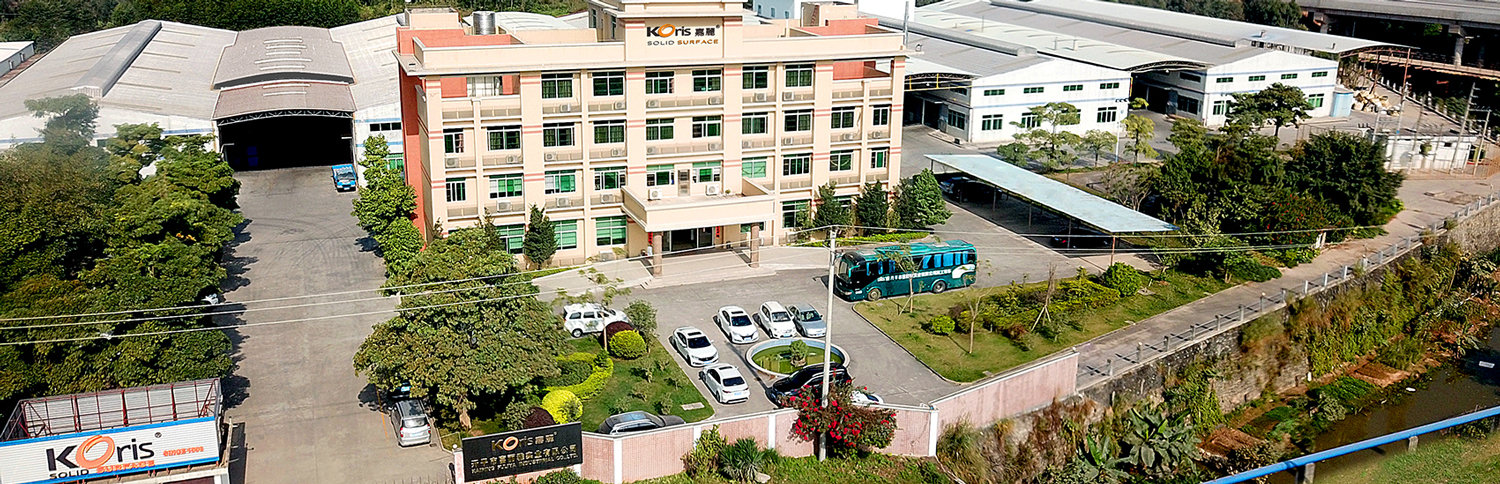
The Koris story begins in 1998. At that time, facing the high costs and long lead times of premium solid surface materials, as well as the general lack of character and depth in local materials, our founders established Koris with a pure passion for material science and a firm conviction in the industry's future.
We believe we are not just manufacturing sheets; we are "customizing spaces for the future." We want every sheet manufactured by Koris to instill a sense of confidence and usability in designers and fabricators.
We did not want to be a distant supplier; we aspired to be an accessible, reliable, and solid partner for designers and procurement teams.
A truly excellent solid surface should be more than cold chemicals; it must embody a commitment to quality, responsibility for health, and respect for aesthetics.
Koris since 1998 has continually optimized its processes through practice, with experience serving design. This confidence stems from our strict selection of raw materials, meticulous attention to every batch, and unwavering adherence to delivery commitments.
Designers' desire for free-form curves never ceases. To meet this, we continually invest in R&D to refine our specialized polymer formulation, granting our sheets a longer thermoforming window and superior flexibility at molding temperatures.
The Result: Koris sheets can be molded into tighter radius curves than traditional materials. This means the buyer's project can achieve more sculptural, fluid, and complex geometries without sacrificing the material's strength and resilience.
At Koris, we offer not a promise of perfection, but consistent manufacturing experience since 1998, process transparency, and a commitment to continuous improvement.
Today, Koris is more than a solid surface factory; it is:
As we look toward the next decade of commercial architecture, two trends are reshaping the development of solid surface materials for bathroom wall cladding: digital integration and sustainable formulation.
With the rise of the Internet of Things (IoT), bathrooms are becoming interactive spaces. Modern architects are embedding touch-sensitive controls, LED information displays, and proximity sensors directly behind translucent solid surface wall panels. Because the material can be precision-milled from the back to thin tolerances, light and capacitive signals pass through seamlessly while maintaining a completely smooth, hygienic front surface.
Concurrently, environmental certifications such as LEED v4 and WELL Building Standards are driving demand for green materials. The industry is responding by developing bio-resins derived from renewable plant sources and incorporating high percentages of post-industrial recycled content (up to 40% in specialized collections). This ensures that the cladding panels not only perform exceptionally during their lifecycle but also contribute to a circular economy, minimizing carbon footprints in global construction projects.
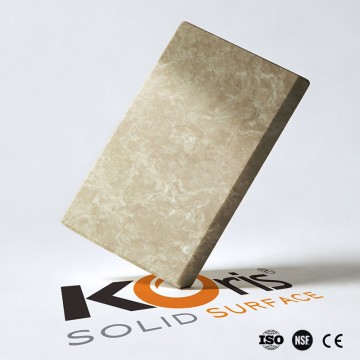
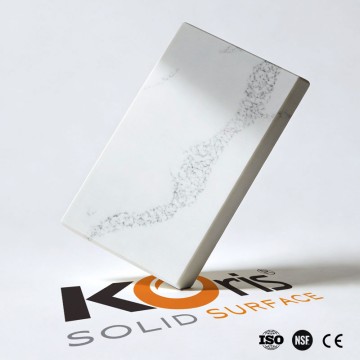
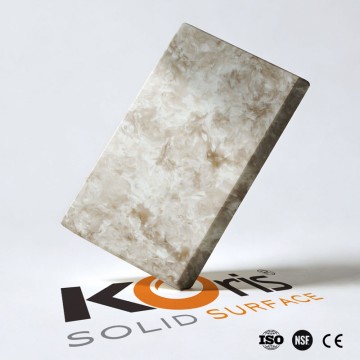
Browse our full range of acrylic and modified solid surface sheets engineered to meet the demanding requirements of modern bathroom cladding and architectural design.

Installation involves securing the sheets to a moisture-resistant substrate using specialized elastomeric adhesives. The joints are then filled with a color-matched two-part acrylic adhesive, clamped, and sanded flush. This creates a monolithic, waterproof barrier without grout lines.
Our acrylic solid surface sheets are engineered to meet stringent international building codes, typically achieving Class A or Class B fire and smoke ratings, making them safe for commercial public buildings and high-rise developments.
Yes. While acrylic materials naturally expand and contract with temperature shifts, professional fabricators design expansion gaps at the perimeter (usually hidden behind silicone joints) to allow the panels to move without bowing or cracking.
While the initial material cost of solid surfaces may be higher than low-end ceramic tiles, the long-term total cost of ownership is significantly lower due to minimal maintenance, quick repairability, and the complete elimination of grout restoration expenses.