 +86 13828069877
Leave Your Message
-
Contact WhatsApp
-
 Contact Phone
-
 Contact Email
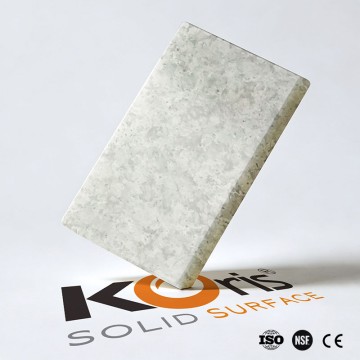
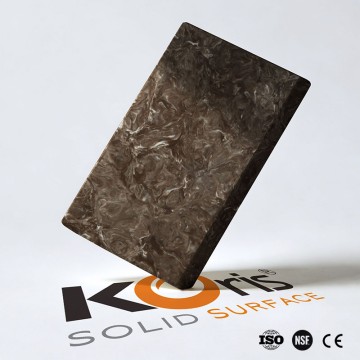
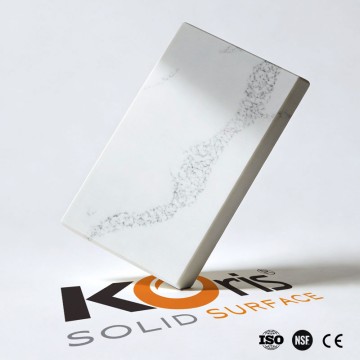
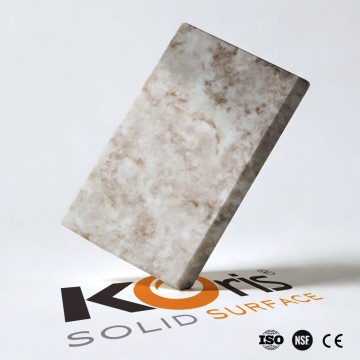
In modern educational institutions, the physical environment plays a critical role in fostering innovation, scientific curiosity, and student safety. Among all classroom infrastructures, school laboratory benches bear the heaviest burden. They are subjected to daily chemical spills, physical impacts, thermal stress, and rigorous cleaning protocols. Traditionally, materials like epoxy resin, phenolic resin, and high-pressure laminates were the standard choice. However, the commercial and industrial landscape has shifted dramatically. Today, the demand for solid surface sheets for school laboratory benches is rising exponentially, driven by advancements in material science and a global push for long-lasting, adaptable, and safe educational spaces.
Unlike composite laminates that can delaminate over time or epoxy resins that are prone to brittle cracking under physical stress, acrylic-modified solid surface sheets provide a homogeneous, non-porous surface. This ensures that chemicals, dyes, and biological agents cannot penetrate the interior, making clean-ups effortless and preventing deep-seated bacterial growth.
The global educational furniture market is undergoing a major transition toward modularity and sustainability. Governments and private institutions are heavily investing in STEM (Science, Technology, Engineering, and Mathematics) facilities. This commercial push demands materials that offer a low total cost of ownership (TCO). While the initial procurement of premium modified acrylic solid surface sheets may be comparable to traditional materials, their longevity, ease of repair, and renewability make them far more cost-effective in the long run. If a school laboratory bench made of solid surface gets scratched, burned, or stained after years of student experiments, it does not need replacement. It can be sanded and polished back to its original pristine state directly on-site—a commercial advantage that other materials simply cannot offer.
School laboratory benches are not one-size-fits-all. Different scientific disciplines require specific material performance profiles:
One of the standout features of acrylic solid surfaces is their thermoforming capability. School designers can specify benches with integrated coved backsplashes, seamless marine edges to prevent liquid runoff, and molded sinks. This monolithic design leaves no crevices for dirt or dangerous chemicals to hide, significantly enhancing classroom safety.
Looking forward, the integration of smart technologies and ecological sustainability is shaping the next generation of school laboratory benches. Manufacturers are developing solid surface sheets with higher recycled content to help school projects achieve green building certifications (such as LEED). Furthermore, the matte, low-glare finishes of modern solid surface sheets are designed to reduce eye strain under bright classroom LED lighting, while their compatibility with wireless charging modules allows schools to seamlessly integrate tablets and digital probes directly into the lab desktop.

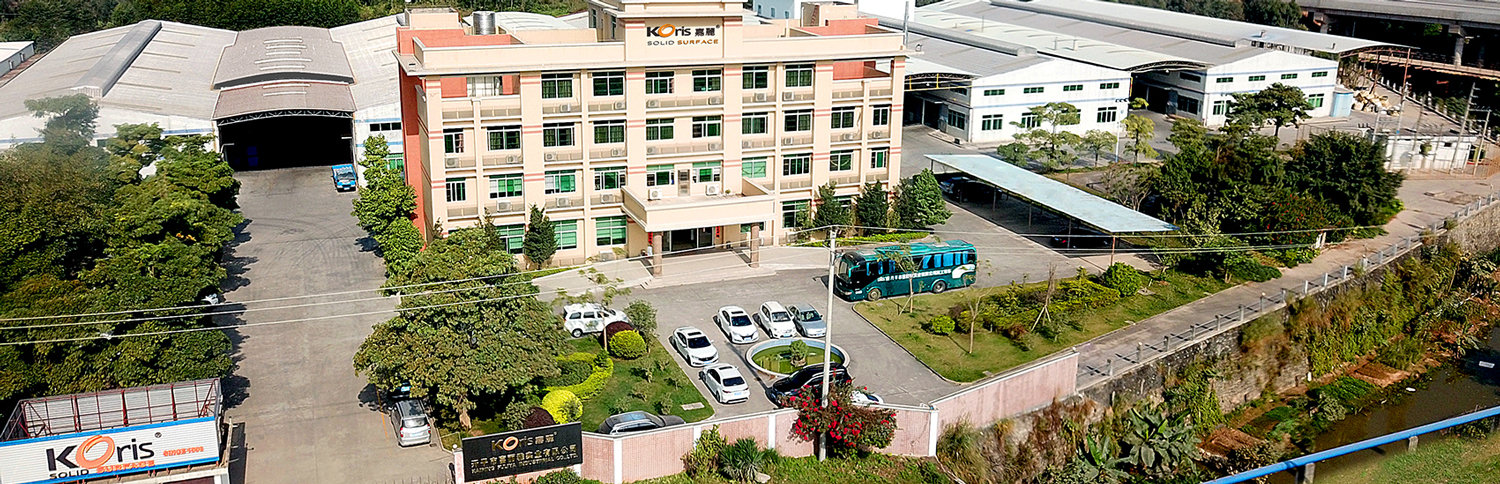
We did not want to be a distant supplier; we aspired to be an accessible, reliable, and solid partner for designers and procurement teams.
A truly excellent solid surface should be more than cold chemicals; it must embody a commitment to quality, responsibility for health, and respect for aesthetics.

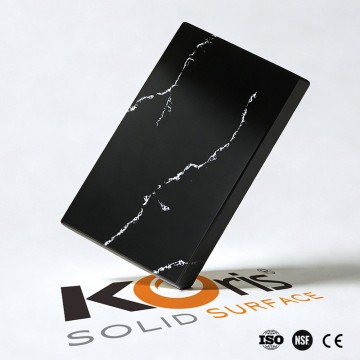
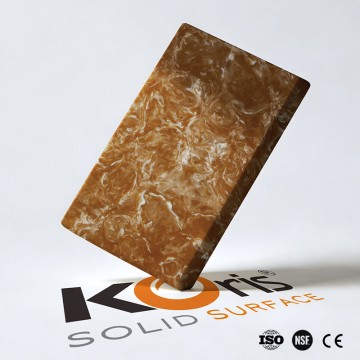
Since 1998, Koris has been partnering with designers, architects, and educational institutions worldwide. Let us help you match colors, calculate specifications, and deliver the perfect solid surface sheets for your laboratory benches.
Explore Our Complete Material Catalog